
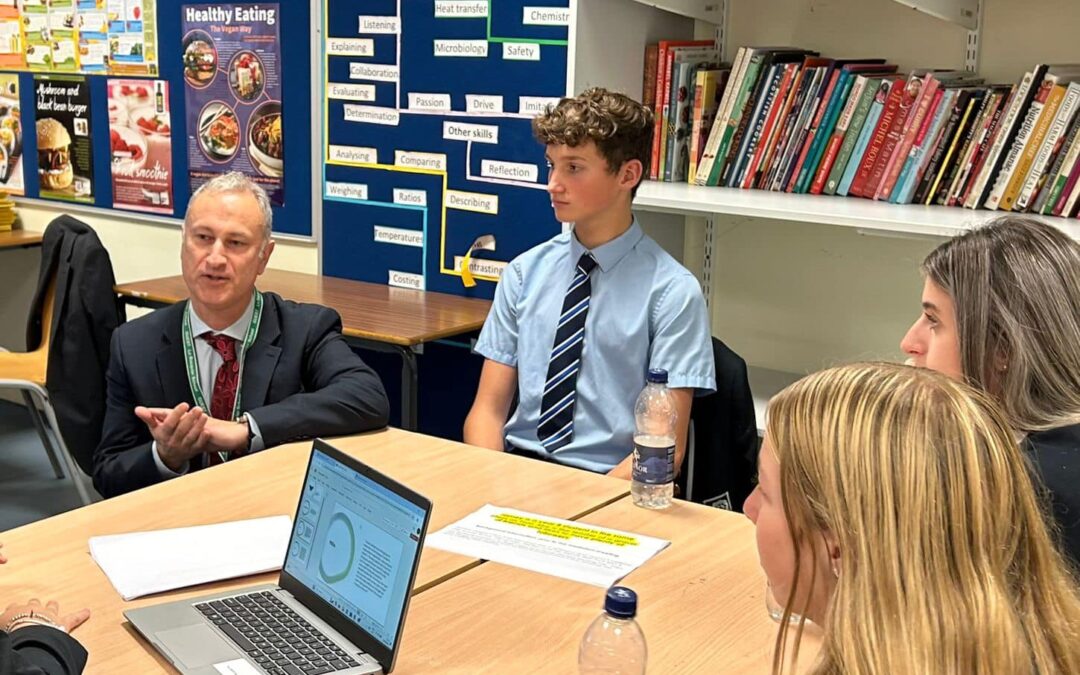
Creating a culture of conversation over conflict: The Power of Conflict Resolution in Schools.
Andrew Williams, Head of Year 7 at Le Rocquier School and a qualified mediator.
As a Head of Year 7, one of the most valuable lessons I’ve learned is that conflict, when handled well, can be a powerful tool for growth. At school, disagreements and misunderstandings are inevitable, especially as our young students are still learning how to manage and regulate emotion. What matters most is how we guide them through these moments.
Over the years, I have moved away from seeing conflict as something to “fix” quickly, and instead see it as something to explore and learn from. By focusing on conflict resolution, I have been able to shift the culture within my year groups from reaction to reflection and from confrontation to conversation by utilising restorative conversations and encouraging open dialogue.
When issues arise, students are encouraged to talk things through, express how they feel and understand how their actions affect others. This approach not only helps to resolve the immediate problem but also teaches lasting skills of empathy, self-awareness, and accountability.
The results have been incredibly positive. Students are more willing to come forward with their small issues, which often helps prevent them becoming big ones. They’re learning that it’s okay to make mistakes, as long as they’re prepared to listen, reflect, and repair. As a result we are seeing calmer interactions, stronger relationships and a greater sense of trust forming, particularly between students and staff.
For me, this approach has transformed how I lead. It’s reminded me that leadership isn’t about control or authority, it’s about creating a space for understanding. By modelling calm, respectful communication, we show our students that challenges can be resolved through dialogue rather than disagreement.
Working with the Resolution Centre has helped us build a community where everyone feels heard and valued. It’s not always easy, and it takes time, but the reward is clear: a student school culture rooted in empathy, respect, and conversation. Qualities that will serve the students well in both school and beyond. Other up-sides are that students are becoming more confident in expressing themselves and are more understanding of other peoples’ perspectives. They’re learning that everyone’s voice matters and that listening is just as important as speaking. Most importantly, they’re realising that it’s okay to make mistakes, what matters is how we respond and repair.
Student wellbeing is at the heart of effective conflict resolution. It’s not just about solving disagreements, it’s about nurturing a school environment where every student feels safe, heard, and supported. When students experience trust, respect, and genuine connection, their emotional and mental wellbeing flourishes.